The Rise of Slow Computing
We are witnessing a counter-movement to the subtle theft of our attention.
This “slow computing” movement is building deep consumer loyalty by decoupling products from the algorithmic attention drain that has defined the last decade of consumer products. The paradox of the AI platform shift is that while it accelerates everything, its promise may be in helping us slow down and be more human.
The urgency from consumers is clear: “Brain rot” was the Oxford Word of the Year in 2024, a popular diagnosis for a generation overwhelmed by extreme content acceleration, algorithmic addiction, and ROAS optimization. The scale of the brain rot engine is massive:
- Content Firehose: YouTube uploads have jumped ~8,000% since 2007.
- Attention Drain: The global average time spent on social media is now over 2.5 hours a day, up from ~90 minutes in 2012.
- Ad monetization explosion: Global digital ad spend $740B (2024) (proj. $966B by 2028). In the U.S., internet ad revenue hit $258.6B in 2024 (+14.9% YoY).
- AI Proliferation: The rise of Generative AI threatens to amplify these dynamics even further.
I grew up on the perimeter of this reality. For older generations not native to this accelerationism, David Foster Wallace’s famous 2005 commencement address captures best how the next generation exists amidst this new normal.
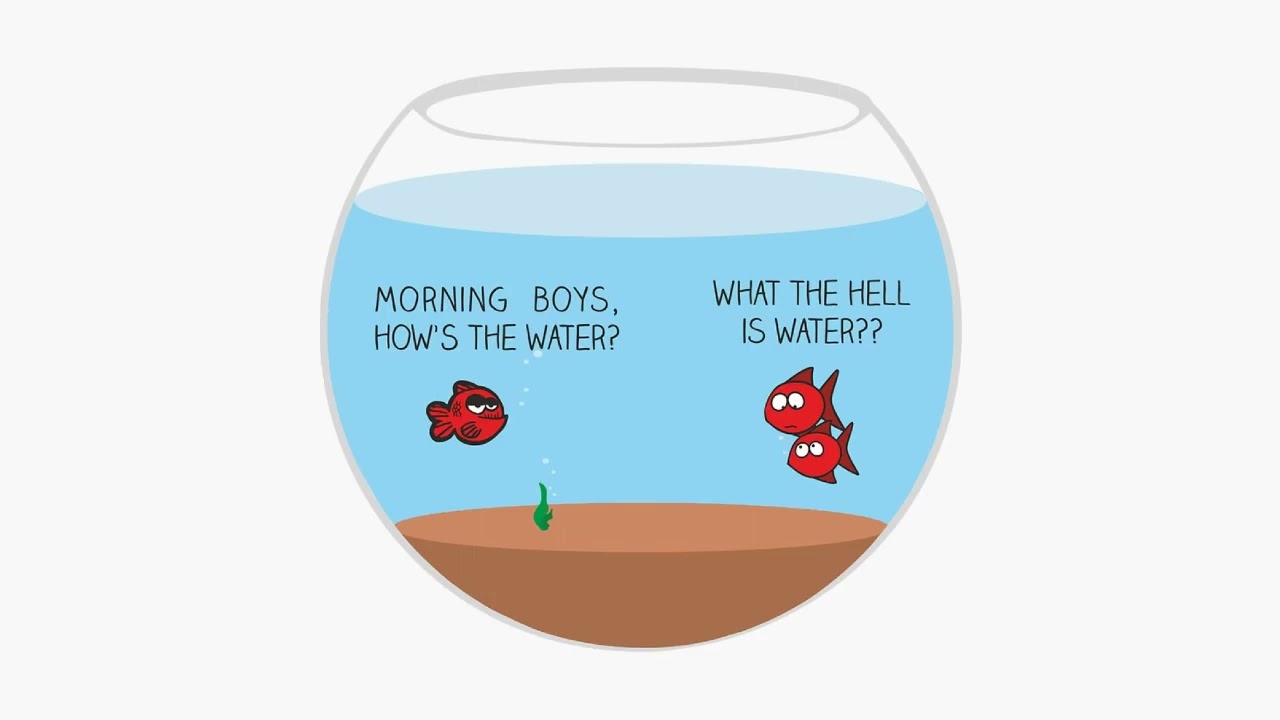 What products can counter this acceleration and become mainstays for the conscientious household? Brilliant entrepreneurs are defining the frontier by reinventing the endpoint and experimenting with incentives.
Reinventing the Endpoint
Defectors from the iOS/Android duopoly are seeking hardware that restores presence.
- Sandbar (AIR Cohort Two): Designing a productive screen-less future, Sandbar is a ring for the modern prosumer that captures and organizes passive thoughts, resisting diffuse mediums and encouraging productivity. Imagine Oura Ring, Wispr Flow, and Notion had delightful offspring.
- Daylight Computer: With its paper-like, blue-light-free display (the DC-1), this device consciously shifts away from tech-driven distraction toward focused, humane use, encouraging deliberate work and wellbeing.
- Poetry Camera (AIR Cohort Zero): This delightful AI camera prints poems, not images, when pointed at an environment - inspired by the kawaii aesthetic (meaning cute or adorable). It’s an homage to an analog time that reintroduces playfulness and gets you outside.
- Light Phone: A minimalist phone that removes the temptation of apps, focusing on essentials like call, text, and limited email. It offers a conscious opt-out from attention-zapping services.
Experimenting with Incentives
As Charlie Munger said, “Show me the incentive, and I will show you the outcome.” These companies are flipping the “the more you use, the better they get” narrative.
- Noble Mobile: This cellular provider incentivizes users not to use the marginal gigabyte of data, essentially “getting paid to use your phone less.”
- Opal (The Focus Company): Users set limits on attention-draining apps. When they hit the threshold, Opal blocks access and rewards the conscientious decision to focus.
AI for Kids without the Algorithmic Drip
Parenting in the attention economy is nearly impossible. When you’re trapped in seat 36D with a screaming toddler, handing over a Paw Patrol-powered iPad feels irresistible, even though we know shows like Paw Patrol and Cocomelon are engineered for total attention capture during children’s most vulnerable developmental years. Collaborative Fund backed LoveEvery to counter overconsumption, and we believe. Geni, Curio, and Freckle represent a promising AI-native path that could give parents something more intentional than algo-drip cartoons. It’s still early for these companies, but the founding teams are determined to break the cycle of incentives for the devices that govern most interactions.
- Geni (AIR Cohort One): A screen-free, voice-based toy that lets kids create infinite audio stories with AI. It sparks imagination and self-guided learning.
- Curio: Embedded in plushy toys, Curio is a playful companion that enables kids to create infinite worlds driven by their own imagination, powered by on-device memory and generative questions.
- Freckle Phone: A thoughtfully designed smartphone for children that prioritizes joy, presence, and connection, giving parents confidence and control over digital boundaries.
The Timing Is Right
In the next 12–18 months, “slow computing” technology optimized for reflection, intentionality, and human-pace interactions will catalyze new consumer habits and workflows. Driven by the counter-pressure of burnout and enhanced regulatory attention, the maturation of AI is finally allowing computing to decouple from ad-driven algorithmic imperatives.
That said, technology is a history of companies building beautiful products ahead of their time. General Magic failed not because they lacked vision but because the consumer foundation had not been established for broad deployment (until Apple deployed the first iPhone five years later). Timing can be the silent arbiter of success.
Yet today, as the pace of technological acceleration intensifies and our attention feels increasingly colonized by screens and feeds, the pendulum may finally be swinging back.